MEHKO Permit in Santa Clara County: Step by Step
Homio Editorial · October 19, 2026 · 8 min read
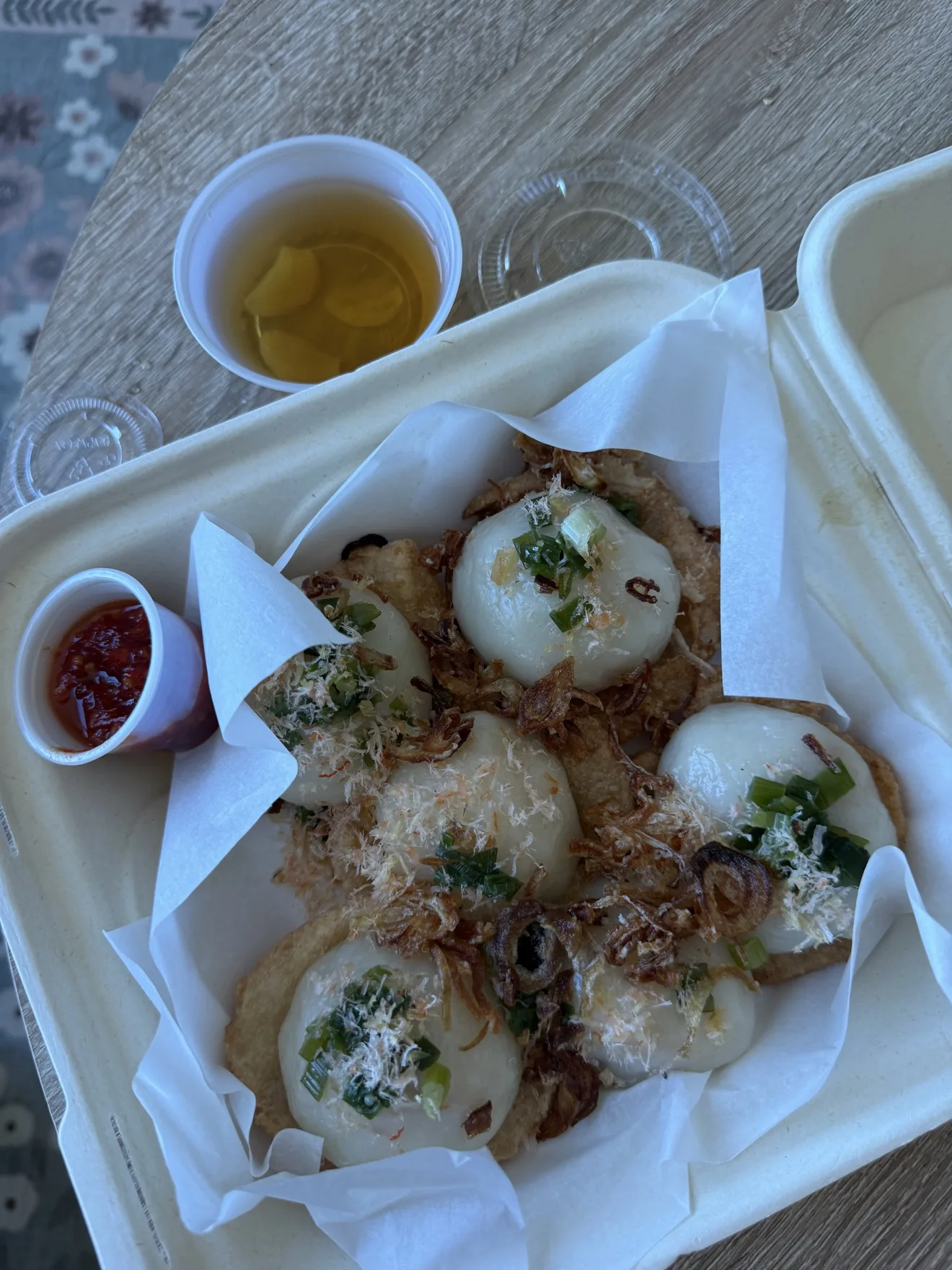
Start with the food you want to make, then describe it in your application and operating procedures.
You have decided a MEHKO permit fits your food. This guide walks through the Santa Clara County Department of Environmental Health (DEH) process: the application packet, current fees, the onsite kitchen evaluation, and what happens after approval. If you are still choosing a permit, start with our California home-food guides.
- How to Sell Homemade Food in California: MEHKO vs Cottage Food
- What California’s MEHKO framework means for home cooks
Before you start: check your home and staffing
DEH says it will automatically deny an application for a residence with outstanding violations identified by any local jurisdiction. Resolve those violations and have the relevant jurisdiction verify compliance before resubmitting.
- Only one MEHKO may operate from a private residence. The same home cannot also operate a Cottage Food Operation.
- Use potable water from a municipal system or a properly constructed and maintained onsite well. Septic systems and domestic wells require additional Land Use clearance.
- Plan for Food Safety Manager Certification and valid food handler cards for food employees. Check the certification timing in the current application packet.
- You may have no more than one full-time-equivalent food employee. Family and household members do not count toward that employee limit.
- Provide clean toilet facilities in good condition for employees at all times and for customers when food is eaten onsite. Portable restrooms are not allowed.
Step 1: Build your application packet
Use the current DEH packet and its cover checklist. It includes the permit application, self-certification checklist, and standard operating procedures (SOP). You also need proof of potable water and approved sewage disposal; the checklist explains which documents to attach.
- Public water: a water bill or letter from the water provider. A private well requires the specified laboratory results and Land Use clearance.
- Sanitary sewer: a sewer bill, sewer connection permit, or property tax bill listing the sewer company. A septic system requires a recent pumper’s report, including a 30-minute water test, and Land Use clearance.
- Food Safety Manager Certificate: the current packet allows submission with the application or within 60 days of permit issuance. Confirm your certification schedule with DEH; it is not a blanket requirement to finish the course before applying.
Write the SOP around how you actually cook: the menu, preparation, storage, cleaning, safe holding temperatures, and service. Food must be prepared, cooked, and served or delivered on the same day. That does not mean all ingredients must be purchased that day; describe their safe storage in your procedures.
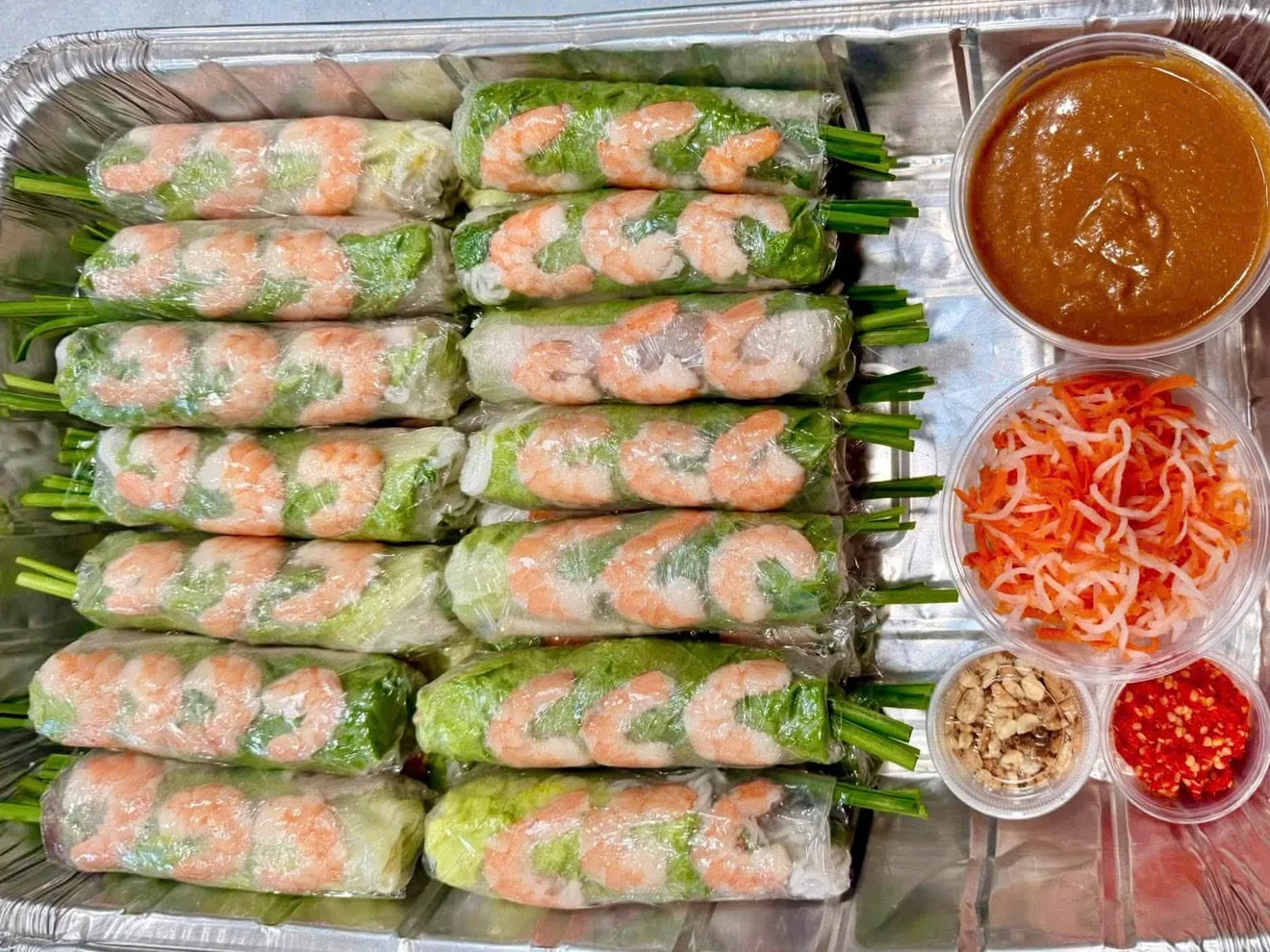
Step 2: On a septic system or a well? Do Land Use first
If the property uses a septic system or domestic water well, submit a Land Use Plan Check Application before DEH can accept your MEHKO application for review. Land Use checks whether those systems can support the operation. Attach its clearance letter to your MEHKO packet.
For a private well, the packet specifies water testing by a state-certified laboratory for E. coli, total coliform, and nitrates, using a sample from the kitchen sink faucet. DEH’s application page says the test must have been taken within one year of application submission. Ask DEH about any additional testing for your property.
The fee schedule effective September 15, 2026 lists LU96 staff time at $290 per hour. The MEHKO overview page still displays the older $282 rate, so use the newer schedule for budgeting and confirm the amount with Land Use. Properties on municipal water and sanitary sewer do not need this septic/well clearance step.
Step 3: Submit the packet, then pay the application fee
Submit by mail, email, or in person using the contact details on DEH’s application page. For email applications, the packet asks for a PDF. DEH’s published process says it invoices the application fee after receiving your application and starts review after payment. Missing documents or payment can prevent review.
| Fee | Amount | When it applies |
|---|---|---|
| New operating permit application (FP90) | $508 | Invoiced after submission; payment is required before review. The application fee is nonrefundable. |
| MEHKO annual permit (FP45) | $754 | Pay after approval to receive the operating permit. |
| Land Use staff time (LU96) | $290 per hour | Additional review for properties with septic systems or domestic wells. |
The application and first annual permit total $1,262. This is a baseline for those two fees, not an all-in startup price: certification, any required laboratory testing, Land Use work, other applicable approvals, and operating costs are separate. Recheck the schedule when you submit.
Step 4: Review and the onsite kitchen evaluation
Once DEH receives your application fee, it reviews the packet, may ask follow-up questions, and schedules an onsite kitchen evaluation. The application page says review may take up to 20 business days. Treat this as the published review estimate, not a guaranteed permit date; missing information, corrections, or Land Use clearance can add time.
Prepare using the actual self-certification checklist: clean equipment and food-contact surfaces, safe storage, handwashing supplies, potable hot and cold water, and the records your application requires. Your written procedures should match what the evaluator sees in the kitchen.
After permitting, DEH conducts one scheduled routine inspection each year. That does not exclude additional inspections for complaints or foodborne-illness investigations, which the SOP also describes.
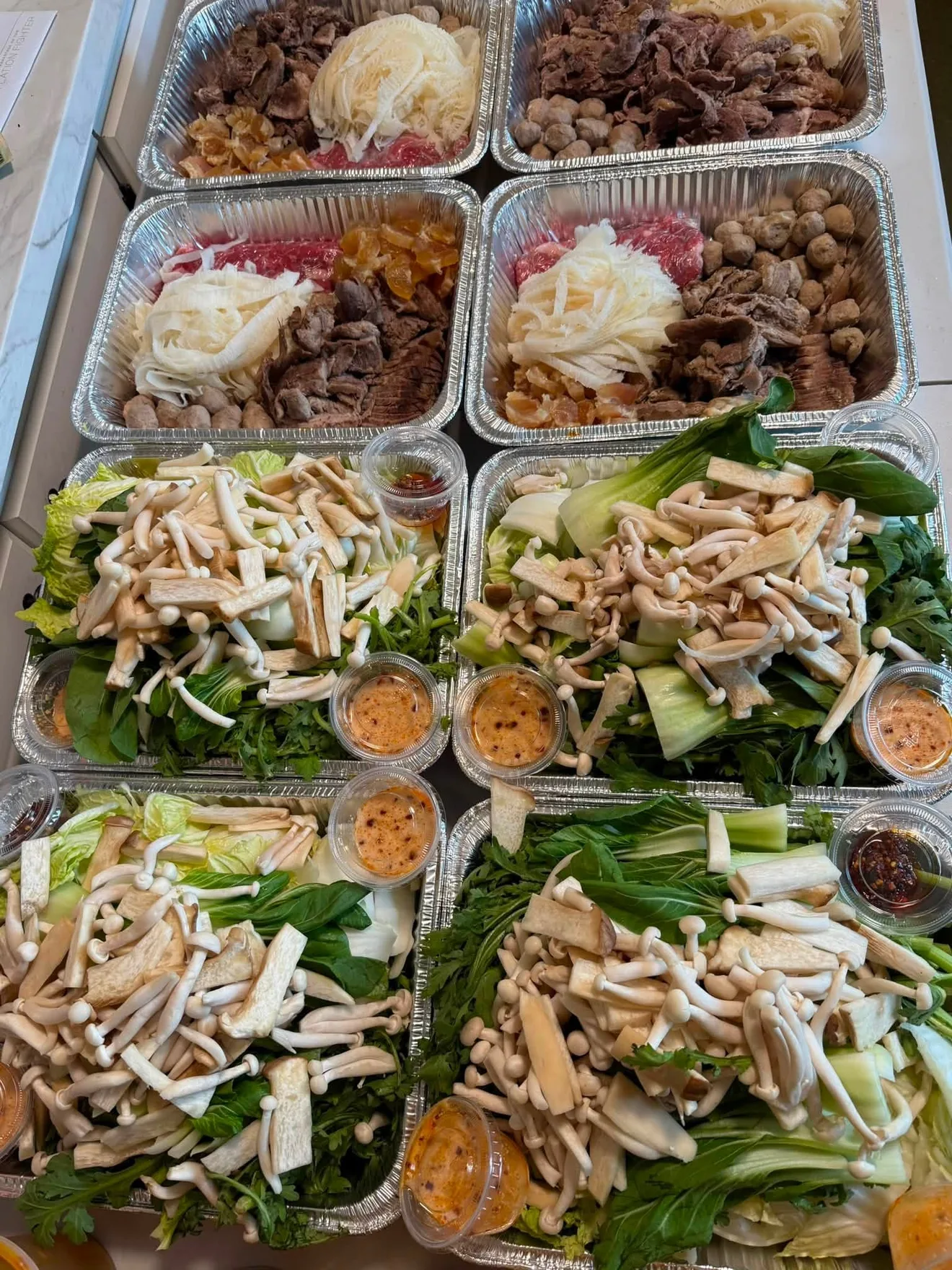
Step 5: After approval, pay the annual fee and receive your permit
If DEH approves your application, pay the annual MEHKO permit fee to receive your operating permit. The current scheduled fee is $754. Obtain the permit before selling, follow its conditions, and keep track of annual renewal and any certification documents still due. Ask DEH and your city about any other approvals that apply to your business.
The operating rules you will live with
- Meal limits: a standard MEHKO may prepare and sell no more than 30 meals per day and 90 per week. A meal is the amount one customer is intended to eat in one sitting; it can include a main, sides, appetizers, drinks, baked goods, or dessert.
- Sales limit: CDPH’s inflation-adjusted 2026 limit is $110,442 in verifiable gross annual sales. The $100,000 figure is the statutory base, not the current adjusted limit. Gross sales are revenue before expenses, not take-home income.
- Same-day service: prepare, cook, and serve or deliver food on the same day. The county SOP says leftovers will not be used, sold, or given away.
- Direct sales and delivery: customers may eat onsite, pick up, or receive permitted direct delivery. The county SOP allows delivery by the operator, employees, family, or household members. Ordinary third-party app couriers are prohibited; the SOP describes a narrow exception for customers whose disability limits their ability to access the food. Confirm that arrangement with DEH. Do not sell to wholesalers or retailers.
- Menu restrictions: raw milk, raw milk products, and raw oysters are prohibited. Processes requiring a Hazard Analysis Critical Control Point (HACCP) plan and production of frozen milk products are also restricted. Check the packet with DEH before adding specialized processes or products.
- Advertising: the self-certification checklist covers websites, social media, and print ads. Include the issuing enforcement agency, your permit number, and “Made in a Home Kitchen.” Use clear, readable placement. Do not advertise with signs or displays at the residence or use the word “catering” or a variation in MEHKO advertising.
- CDPH: 2026 MEHKO adjusted gross annual sales limit
- County self-certification and operating procedures, including delivery and advertising
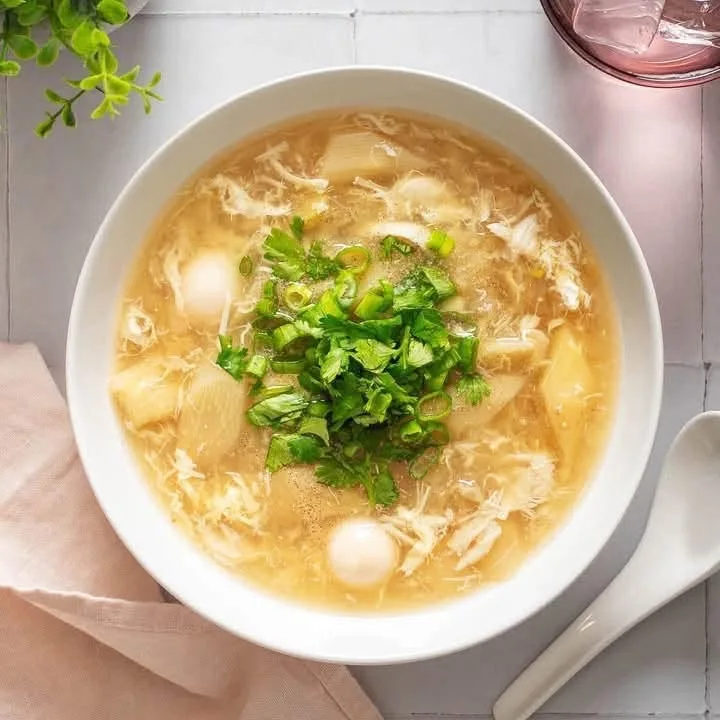
After the permit: help neighbors find your menu
A permit is one part of getting ready. Customers also need clear portions, ingredients, prices, availability, and pickup or delivery instructions. Keep your menu and advertising consistent with your permit, and complete the required Homio setup before accepting online orders.
On Homio, local home cooks can list menus and offer the fulfillment options their operation supports. Applying and listing has no application or monthly subscription fee. Local permits, certification, ingredients, packaging, and other operating costs are separate. You choose your kitchen’s menu and hours; your readiness to sell depends on completing both your legal requirements and platform setup.
Frequently asked questions
How long does it take to get a MEHKO permit in Santa Clara County?
DEH’s application page says review may take up to 20 business days after the application fee is received. Review includes follow-up questions and a scheduled onsite kitchen evaluation. This is not a guaranteed permit date; incomplete documents, corrections, and any required Land Use clearance can add time.
How much does a Santa Clara County MEHKO permit cost in 2026?
The schedule effective September 15, 2026 lists $508 for the new operating permit application (FP90) and $754 for the annual MEHKO permit (FP45), totaling $1,262 for those two fees. Applicable Land Use staff time (LU96) is $290 per hour. Certification, laboratory tests, other applicable fees, and operating costs are separate. Confirm the latest schedule before paying.
Do I need food safety certification before I apply?
The county requires Food Safety Manager Certification, but its current application checklist allows the certificate with the application or within 60 days of permit issuance. Confirm your timing with DEH. Food employees must have valid food handler cards.
Can I have a Cottage Food Operation and a MEHKO at the same house?
No. Santa Clara County says a residence may have one Cottage Food Operation or one MEHKO, and only one MEHKO may operate from a private residence. Compare the two paths before choosing your permit.
Can I use DoorDash or Uber Eats couriers with a MEHKO permit?
Ordinary third-party delivery couriers are prohibited. The county SOP describes direct delivery by the operator, employees, family, or household members, with a narrow third-party exception for a customer whose disability limits access to the food. Confirm any exception with DEH. Online ordering does not itself authorize third-party courier delivery.
What are the meal and sales limits for a MEHKO?
For a standard MEHKO, the limits are 30 meals per day and 90 per week. CDPH’s 2026 inflation-adjusted gross annual sales limit is $110,442, before expenses. Food must be prepared, cooked, and served or delivered on the same day. Check separately with DEH if you propose an operation involving compact mobile food operations.
Sources and fact check
Facts checked October 19, 2026. Confirm the current requirements with your local environmental health agency before applying or changing your menu.
- Santa Clara County DEH: MEHKO eligibility and application steps
- Santa Clara County: MEHKO application, self-certification, and SOP packet (July 2026)
- Santa Clara County DEH: current payment information and fee schedule
- DEH fee schedule effective September 15, 2026: FP90, FP45, and LU96
- California Department of Public Health: 2026 MEHKO gross annual sales limit