How to Sell Homemade Food in California: MEHKO vs Cottage Food
Homio Editorial · October 14, 2026 · 6 min read
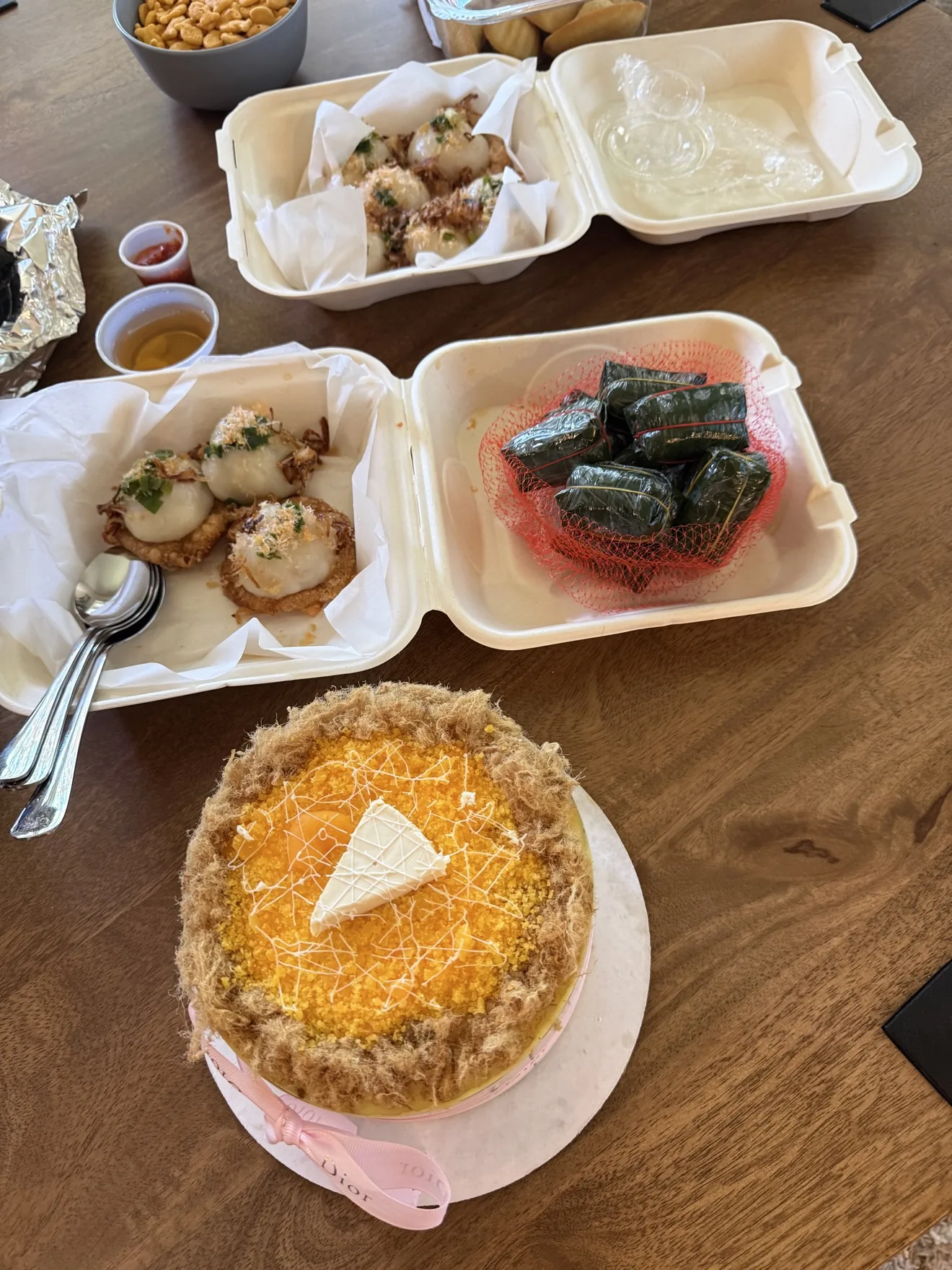
Different menus call for different home-food permits. Start with what you want to sell.
Want to sell homemade food in California? Two home-kitchen paths to consider are a Microenterprise Home Kitchen Operation (MEHKO) for freshly prepared meals and a Cottage Food Operation (CFO) for approved foods that do not need refrigeration for safety. Your menu, location, and sales plans determine which fits.
If neighbors already ask for your cooking, a home-food business can be a way to share it more widely. Before taking paid orders, choose the right permit and confirm your local requirements. Here is how the two paths compare, with practical next steps for Santa Clara County.
MEHKO vs Cottage Food: the two paths at a glance
| Requirement | MEHKO | Cottage Food Operation (CFO) |
|---|---|---|
| What you can sell | Meals such as phở, biryani, and pupusas, prepared, cooked, and served the same day. | Only foods on the CDPH approved list, such as qualifying breads, cakes, cookies, jams, and candy. |
| Local approval | A health permit and kitchen evaluation in a jurisdiction that authorizes MEHKOs. | Class A: local registration and self-certification. Class B: local permit and initial home inspection. |
| 2026 sales limit | $110,442 in gross annual sales. | Class A: $88,878. Class B: $177,756 in gross annual sales. |
| Meal limit | For a standard MEHKO: no more than 30 meals per day and 90 per week. | No equivalent daily or weekly meal limit; approved-food and sales-limit rules still apply. |
| Sales and delivery | Direct to customers for onsite consumption, pickup, or permitted direct delivery. Ordinary app couriers are not allowed. | Class A: direct sales. Class B: direct sales and sales through permitted shops or restaurants. Direct orders can be made online and fulfilled by mail or third-party delivery. |
| Food-safety training | Approved food manager certification; Santa Clara County also requires employee food handler cards. | Approved cottage food operator training within three months of registration or permitting. |
These are gross sales limits, not take-home income. CDPH adjusts them annually for inflation, so older figures of $100,000 for MEHKO and $75,000/$150,000 for CFO are not the 2026 limits. Check the current official tables before planning a later year.
- CDPH: 2026 MEHKO sales limits
- CDPH: 2026 Cottage Food sales limits
- CDPH: Cottage Food requirements
- Santa Clara County: MEHKO requirements
Which home-food permit is right for your menu?
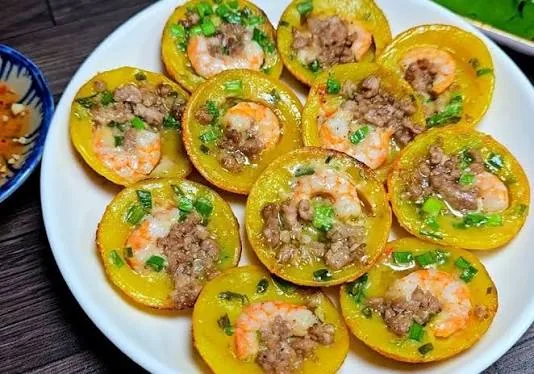
Choose MEHKO when you want to sell fresh meals. Noodle soups, curries, and hot plates may fit, subject to your approved menu. Same-day preparation and service matter: a weekly ordering schedule does not authorize preparing and storing meals across multiple days. MEHKOs are available only where the local jurisdiction has adopted a program.
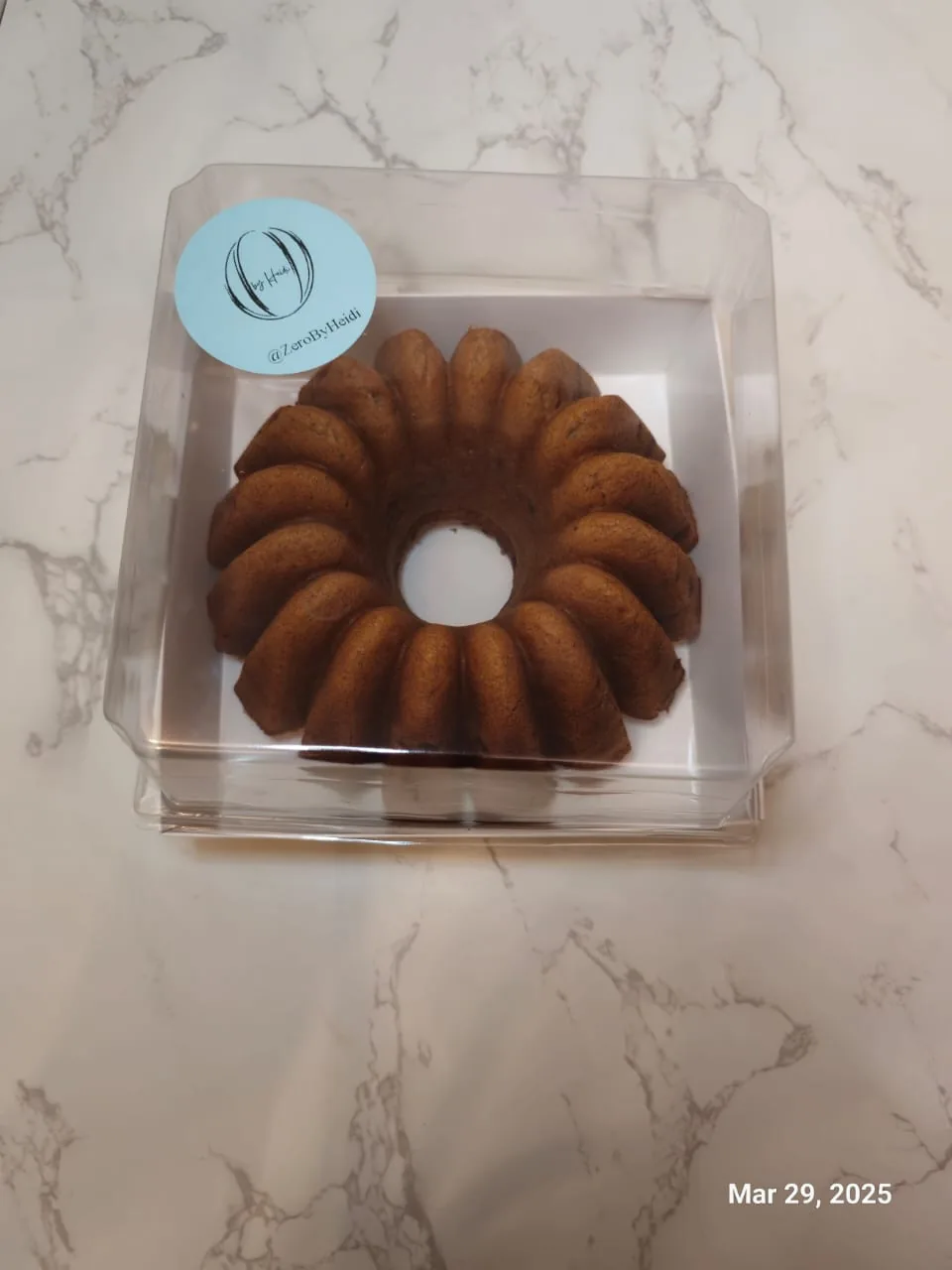
Choose Cottage Food when every product qualifies for the approved list. A cake is not automatically cottage food: its filling, frosting, and storage requirements matter. Baked goods with cream, custard, or meat fillings do not fit the listed baked-goods category.
Class A lets you sell directly to customers, including online. Class B adds indirect sales through permitted retailers, such as shops and cafés. Both require local approval, sanitary practices, compliant labels, and the appropriate training.
Do not plan to run both a CFO and a MEHKO from the same residence. CDPH explicitly says the two operations cannot share one home. If your menu crosses categories, ask Environmental Health which permitted arrangement is available before selling.
Your first five steps in Santa Clara County
- Decide your menu and sales method. Ask County Environmental Health whether each product fits MEHKO or the approved Cottage Food list, and check any city business requirements.
- Complete the training for your path. MEHKO requires food manager certification; CFO operator training must be completed within three months of registration or permitting.
- Prepare the correct application. For MEHKO, Santa Clara County requests an application, self-certification checklist, and standard operating procedures. Properties with a septic system or domestic well need additional Land Use clearance.
- Complete the county review. Submit the required documents and fees, prepare for the applicable kitchen evaluation or inspection, and meet your path’s sanitation and labeling requirements. Obtain your registration or operating permit before selling.
- Plan how customers will order and receive food. Keep preparation, pickup, and delivery within your permit. MEHKO is not a general farmers’ market or wholesale permit; check separate approvals before choosing an event or sales venue.
Fees and review times can change. Use the county’s current application pages for the packet, fee schedule, and requirements that apply to your kitchen.
Where do customers find your home cooking?
A permit is the start; customers also need a clear way to find your menu and order. Word of mouth and neighborhood groups can help you introduce your food. A useful menu explains portions, ingredients, prices, available days, and pickup or delivery options.
Homio connects California neighbors with local home cooks. You keep your kitchen, menu, and hours, and can offer the fulfillment options your operation supports. Applying and listing on Homio has no application or monthly subscription fee. Local permits and operating costs are separate.
Frequently asked questions
Can I sell homemade food in California without a permit?
For the home-food businesses covered here, obtain local approval before selling: a MEHKO permit for eligible meals, or a Cottage Food registration or permit for approved products. Other food businesses can require different approvals. Confirm your menu with your local environmental health agency.
How much can I sell from home in California in 2026?
CDPH’s 2026 gross annual sales limits are $110,442 for MEHKO, $88,878 for Class A Cottage Food, and $177,756 for Class B Cottage Food. Gross sales are revenue before expenses, not profit. The limits are adjusted annually for inflation.
Can I sell on delivery apps with a MEHKO permit?
Online ordering and delivery are separate questions. MEHKO food is sold directly to customers, and ordinary third-party app couriers are not allowed. A narrow statutory exception exists for delivery to a customer whose disability prevents pickup. Confirm the permitted delivery arrangement with your county before offering it.
What foods can I sell under Cottage Food rules?
Only products on CDPH’s approved Cottage Food list that meet its conditions. Examples include qualifying baked goods, candy, dried foods, honey, and certain jams and nut butters. Check the exact product, filling, frosting, and storage requirements rather than assuming every homemade item qualifies.
Can a Cottage Food business sell in other California counties?
Approved Cottage Food direct sales can take place throughout California; Class B also allows indirect sales through permitted retailers. Register or obtain a permit with the agency where your home operation is located. A MEHKO permit is tied to its approved home and local program, so check separately before operating elsewhere.
Sources and fact check
Facts checked October 14, 2026. Confirm the current requirements with your local environmental health agency before applying or changing your menu.
- California Department of Public Health: Cottage Food Operations
- CDPH: Approved Cottage Foods (reviewed April 2026)
- CDPH: 2026 MEHKO gross annual sales limits
- CDPH: 2026 Cottage Food gross annual sales limits
- CDPH: CFO and MEHKO frequently asked questions
- CDPH: Internet Food Service Intermediary requirements
- Santa Clara County: MEHKO permits and application steps
- Santa Clara County: Cottage Food registration and permits