Homio vs Shef vs Foodnome: Which Marketplace Is Best for California Home Cooks?
Homio Editorial · November 1, 2026 · 7 min read
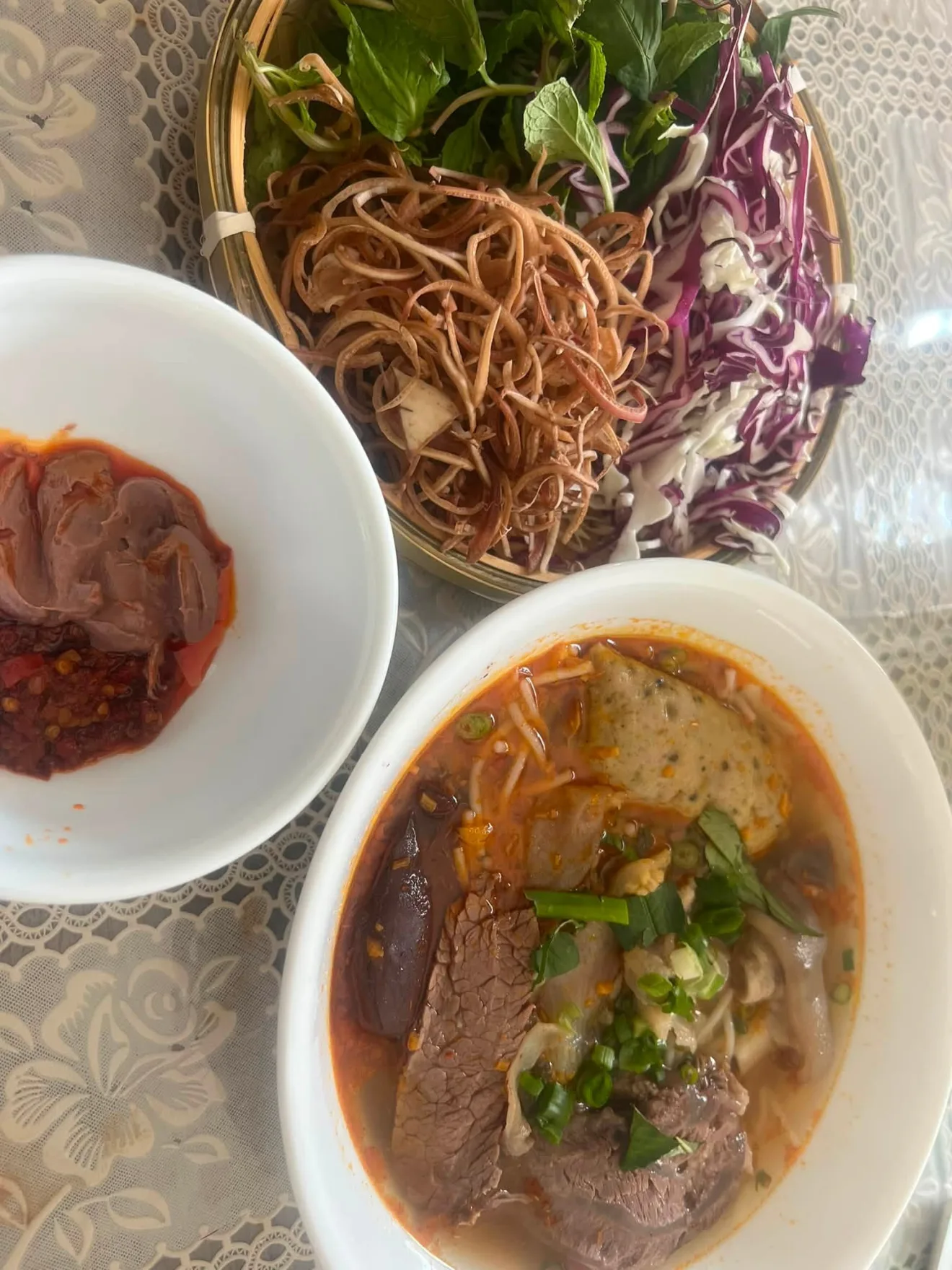
Home-cooked bún bò Huế with fresh herbs on the side.
If you cook food worth selling, the next question is where to sell it. Homio, Shef, and Foodnome are three names California home cooks often compare, and they are not interchangeable. Homio is a local marketplace, centered on San Jose today, where you set your own prices. Shef is a national platform built around weekly meal subscriptions, and it handles delivery. Foodnome is best known for helping cooks open home restaurants in California. Pick the wrong one and you will fight its model every week; pick the right one and it fits the way you already cook.
The short answer
If you cook near San Jose and want to set your own prices, offer pickup, delivery, or both, and keep your own menu, Homio is the fit. If you want a large platform that brings weekly subscribers and handles delivery, and your food travels and reheats well after refrigeration, Shef is the fit. Foodnome’s website was unreachable when we checked, so none of its current fees, payouts, service areas, or signup terms could be verified. The rest of this post shows the working, so you can check it yourself.
The comparison at a glance
| Homio | Shef | Foodnome | |
|---|---|---|---|
| Cost to join | No application fee and no monthly subscription fee. | No signup fee published. Cooks cover ingredients, containers, and a home printer, and must pass an accredited food safety certification exam. | Not published; could not be verified. |
| What the cook receives | The base price you set for each dish. Homio’s marketplace margin is included in the price customers see. | Marketplace-only dishes: 70% of the price you set. Weekly Shef Service dishes: fixed per-serving payouts, such as $10 for a standard main. | Not published; could not be verified. |
| Where it operates | Cooks are listed mostly in San Jose, with a few in other Northern California cities. | Twelve metro areas: the Bay Area, Los Angeles, New York City, New Jersey, the DC area, Seattle, Boston, Chicago, Atlanta, Austin, Dallas, and Houston. | No current service area published. |
| Getting started | Eligible applications are approved automatically. You then set up your profile, menu, and Stripe payouts. | Application and menu submission, a taste test of three approved dishes, then onboarding. Shef says most cooks are running in 3–4 weeks. | No current signup terms published. |
| Food types | Your own menu: main dishes, sides, desserts, and baked goods. | Meals that travel and reheat well after refrigeration. No frozen food, raw seafood, or made-to-order customization. | Historically, home-restaurant meals. |
| Pickup and delivery | You choose pickup, delivery, or both in your cook profile settings. | You cook, cool, and package, then bring orders to the nearest Shef drop-off point. Shef handles delivery; methods vary by market. | Historically, pickup from the cook’s home restaurant. Current model not published. |
| Who sets prices | You do, with no minimums and no set menu. | You set Marketplace prices. Weekly Shef Service pays fixed amounts, and those dishes have minimum prices when also sold in the Marketplace. | Not published. |
| How customers order | Customers browse local cooks and order from one cook at a time. | Weekly subscribers choose meals and can skip or change orders until 3 p.m. three days before delivery. | Not published. |
Homio: the local marketplace where you set the price
Homio is a marketplace for homemade food. Most of its cooks are in San Jose today, with a few in nearby and other Northern California cities. Applying and listing cost nothing: there is no application fee and no monthly subscription fee. Every dish is priced by you, with no minimums and no set menu. You receive the base price you set for each dish, payments run through Stripe (typically about 2 days, and up to 7 days for your first payment), and your cook profile settings determine whether you offer pickup, delivery, or both.
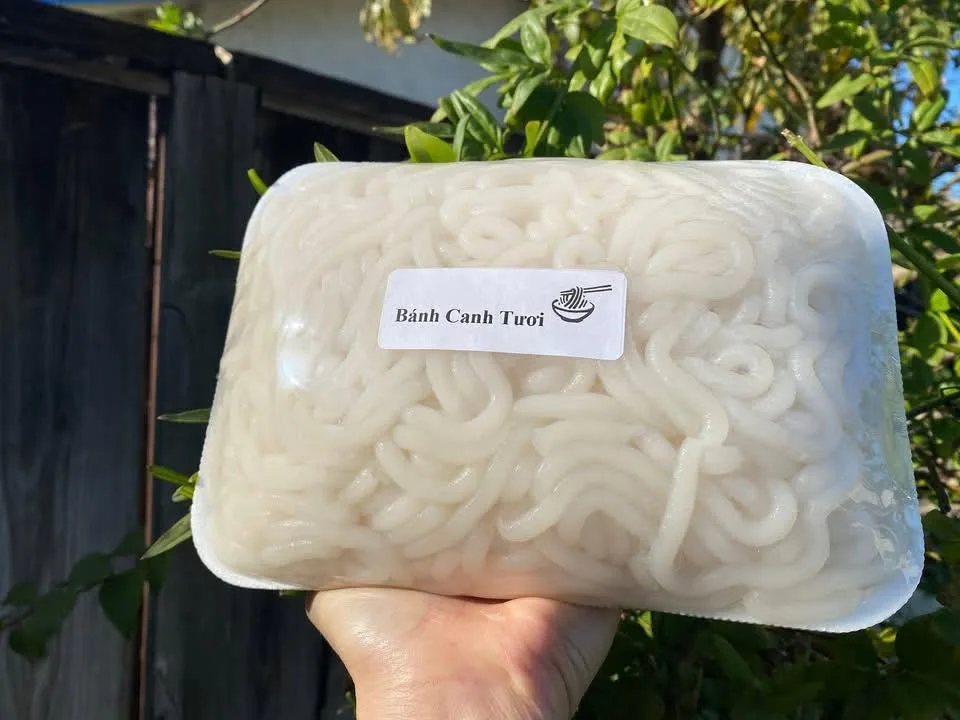
That makes Homio a natural fit for cooks whose menus do not fit one mold: a cook selling hot noodle soup on Saturdays, a baker selling cakes through the week, or a cook offering party trays for weekend gatherings.
The honest limits: Homio is newer and smaller than Shef, and its cooks are concentrated in one region, so it will not hand you a national subscriber base on day one. What it gives you instead is control over your prices, your menu, and your schedule. Homio also makes no earnings or order-volume promises, which is the right expectation for any marketplace: how much you make depends on your prices, your menu, and how often you cook.
Shef: the national weekly-meal platform that handles delivery
Shef is the largest of the three and works very differently from Homio. You apply and submit a menu. If approved, you complete a taste test: one serving each of three approved dishes from your application, delivered cold to Shef’s taster. Shef’s cook page says most cooks are up and running in 3–4 weeks. Customers subscribe to weekly meal plans and can skip or change an order until 3 p.m. three days before delivery. You cook, cool, and package your orders, then bring them to the nearest Shef drop-off point; Shef notes that delivery methods vary by market. Shef supplies ice packs, cooler bags, and labels, and you supply ingredients, containers, and a home printer.
That delivery engine is the attraction, and also the trade-off. Food is cooled and refrigerated for delivery, so Shef asks for dishes that travel and reheat well. Its menu guide rules out frozen food, raw seafood, and customization or special requests.
For pay, Shef’s help page “Weekly Service and Marketplace Payouts” separates its two programs. If your dishes are only in its Marketplace, you set the price and your payout is 70% of it. Dishes in the Weekly Shef Service pay fixed amounts per serving, such as $10 for a standard main, $13 for a premium main, and $2–$6 for staples and sides. Weekly Service dishes that are also sold in the Marketplace must be priced at least slightly above those payouts. The page says some markets use variable payouts instead. Shef’s Weekly Service help page also says new cooks are currently being onboarded to that program only in Austin, Boston, and DC, and other service zones are waitlisted.
Shef does operate in the Bay Area: its metro list includes the Bay Area alongside Los Angeles, New York City, and nine other metro areas. If you want scale, weekly subscribers, and someone else handling delivery, that reach is real. If you want to set every price yourself, sell hot food for pickup, or sell dishes that do not refrigerate and reheat well, Shef’s model will work against you.
- Shef: become a Shef (application, taste test, payouts, and costs)
- Shef Help: Weekly Service and Marketplace Payouts
Foodnome: the original home-restaurant platform
Foodnome began in Davis, California, and became known for helping cooks open home restaurants and then listing those restaurants on its marketplace. Historically, its cooks sold meals for pickup, with some dine-in.
The caution is that Foodnome’s current offer cannot be confirmed. On October 26 and again on November 1, 2026, foodnome.com returned a Cloudflare “DNS points to prohibited IP” error (Error 1000), which Cloudflare describes as a problem the site owner has to fix. We could not find a current fee, payout, service area, or cook-signup terms published by Foodnome itself. Do not build a plan around Foodnome until its own site says it is signing up cooks in your city and what it charges.
Which marketplace is best for you?
- A cook near San Jose selling hot meals for pickup or delivery on your own schedule: Homio. Local customers, your prices, your hours.
- A baker or snack seller who wants to list next to hot-meal cooks without a set menu or minimums: Homio.
- A cook who wants a big platform, weekly subscribers, and delivery handled for them: Shef, if your food travels and reheats well and you are comfortable with its payout structure and taste test.
- A cook interested in running a home restaurant with Foodnome: wait until its site is back online and publishes current signup terms and fees for your area.
- A cook who wants maximum reach: consider listing on more than one platform. Homio does not require exclusivity; check each platform’s terms, and keep your schedules and capacity in sync so you never double-book a Saturday.
Ready to list your food?
Frequently asked questions
Is it free to sell on Homio?
Applying and listing on Homio has no application fee or monthly subscription fee. Ingredients, packaging, and other operating costs are separate, and Homio does not guarantee earnings or order volume. How much you make depends on your prices, your menu, and how often you cook.
Does Shef operate in the Bay Area?
Yes. Shef’s metro list includes the Bay Area alongside Los Angeles, New York City, and nine other metro areas. Enter your address on shef.com to confirm delivery coverage. Its Weekly Service help page says new-cook onboarding for that program is currently limited to Austin, Boston, and DC, with other zones waitlisted.
How do payouts compare?
Homio pays cooks the base price they set for each dish and has no application or monthly fee. Shef pays 70% of the price you set for Marketplace-only dishes, and fixed per-serving amounts for Weekly Shef Service dishes. Foodnome publishes no current fees or payouts, so they could not be compared.
Can bakers sell on these marketplaces?
On Homio, yes: bakers list alongside hot-meal cooks. Shef lists baked goods as a category, but its food is refrigerated for delivery and it does not accept frozen items, so baked goods need to hold up in that model. Foodnome publishes no current signup terms.
Can I sell on more than one marketplace at once?
Homio does not require exclusivity. Check each platform’s own terms, and keep your availability and capacity in sync across platforms so a busy Saturday does not double-book you.
Sources and fact check
Platform details checked November 1, 2026. Fees, payouts, and coverage change, so confirm them on each platform before you sign up.